Insulin helps sugar enter the cells
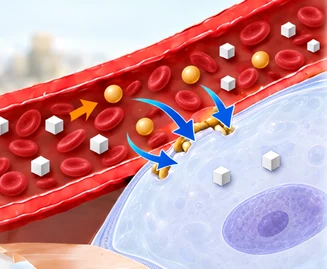 ©
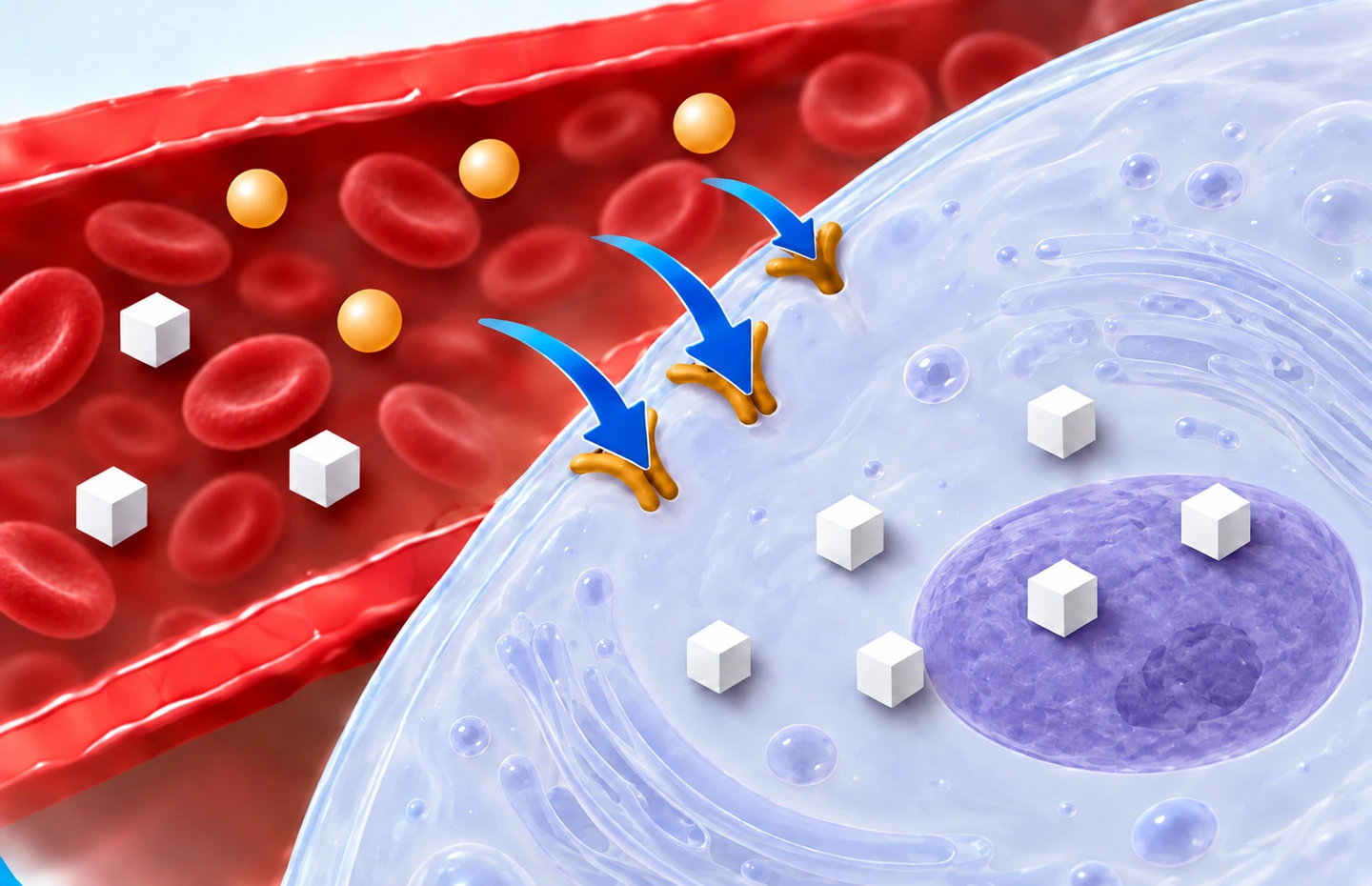
Sugar from food provides energy. Insulin helps move it from the blood into the body's cells.
©Sugar from food provides energy. Insulin helps move it from the blood into the body's cells.
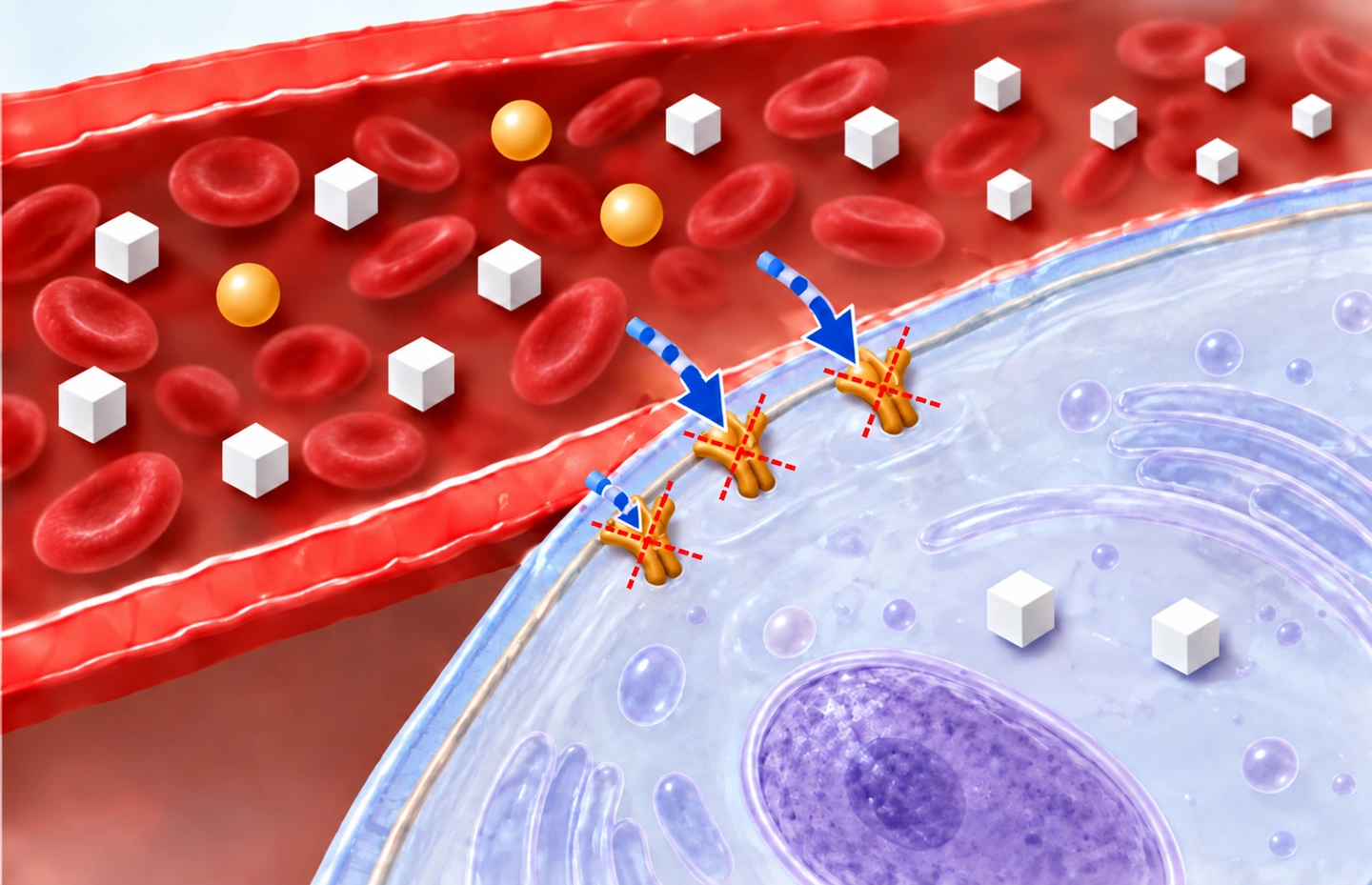
In type 2 diabetes, insulin no longer works well enough. This is called insulin resistance. Blood glucose rises.
 ©
 ©
 AI-generated©
Genetic predisposition, age, physical activity and body weight can play a role. Insulin production may also decline later.
 AI-generated©
Possible signs include thirst, frequent urination and fatigue. A blood test determines whether diabetes is present.
 AI-generated©
Vegetables, whole grains and appropriate portions help. Water instead of sugary drinks is a good choice.
 AI-generated©
Walking, cycling and strength exercises help the body use insulin more effectively. If you are overweight, losing weight can help.
 AI-generated©
Tablets or injections may be necessary. Sometimes insulin is also needed. Treatment is tailored to your situation together with you.
 AI-generated©
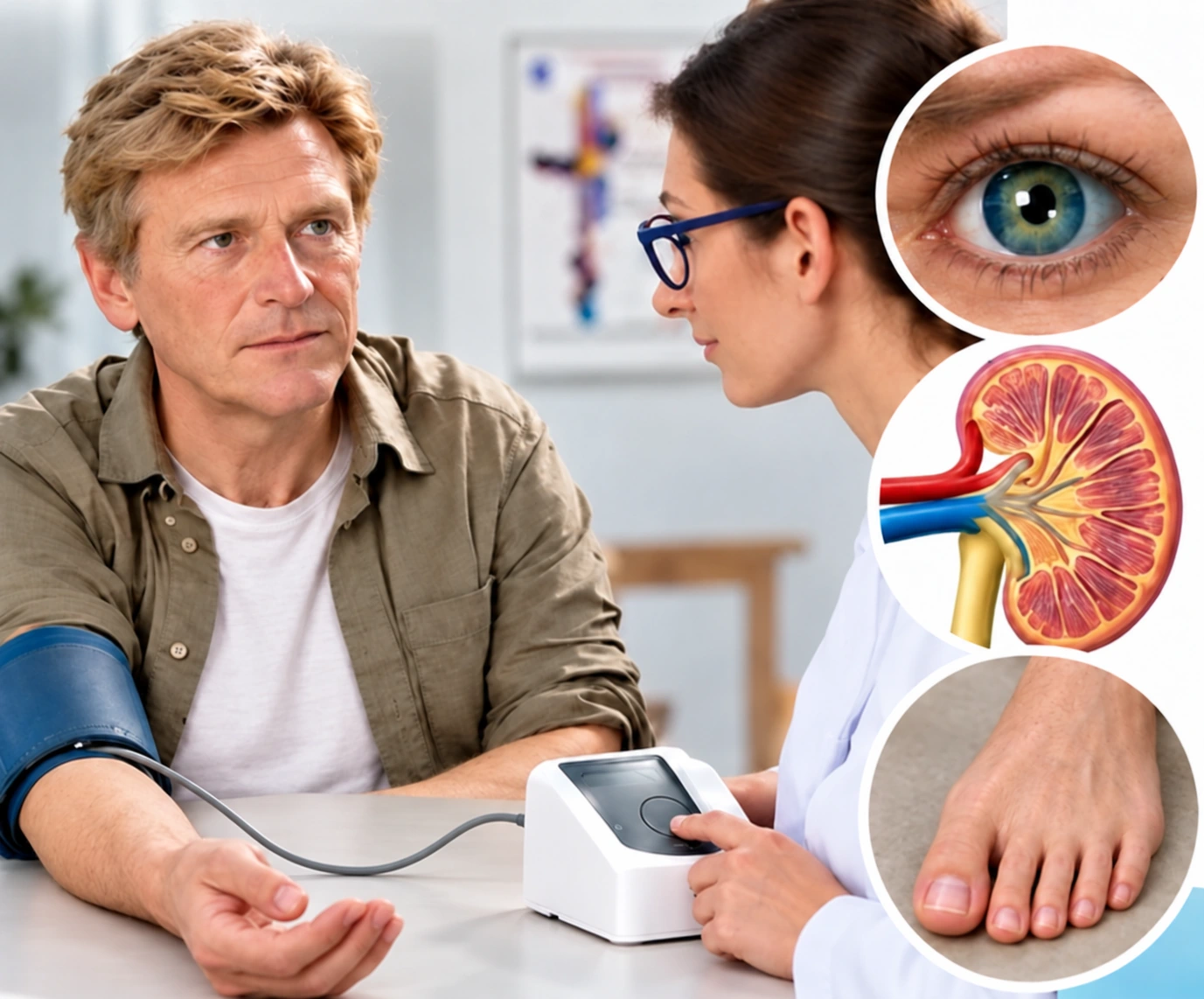
Keep track of blood glucose, blood pressure and blood lipids. Have regular eye, kidney and foot checks, as well as laboratory tests. Diabetes education helps in everyday life.
The images are illustrations and do not show treatment outcomes in real people. This information does not replace individual medical advice; treatment is tailored to your situation.
The illustrations explain insulin resistance and type 2 diabetes. They cover diet, physical activity, weight loss, medicines and checks of blood glucose, blood pressure, eyes, kidneys, feet and laboratory values.