diabetes center berlin rose
English
Back to overview

Type 1 diabetes

Type 1 diabetes is not self-inflicted. With appropriate insulin treatment, an active everyday life is possible.

Man with a raised index finger, cleaned-up illustrationAI-generated©

Understanding type 1 diabetes

What happens in the body?

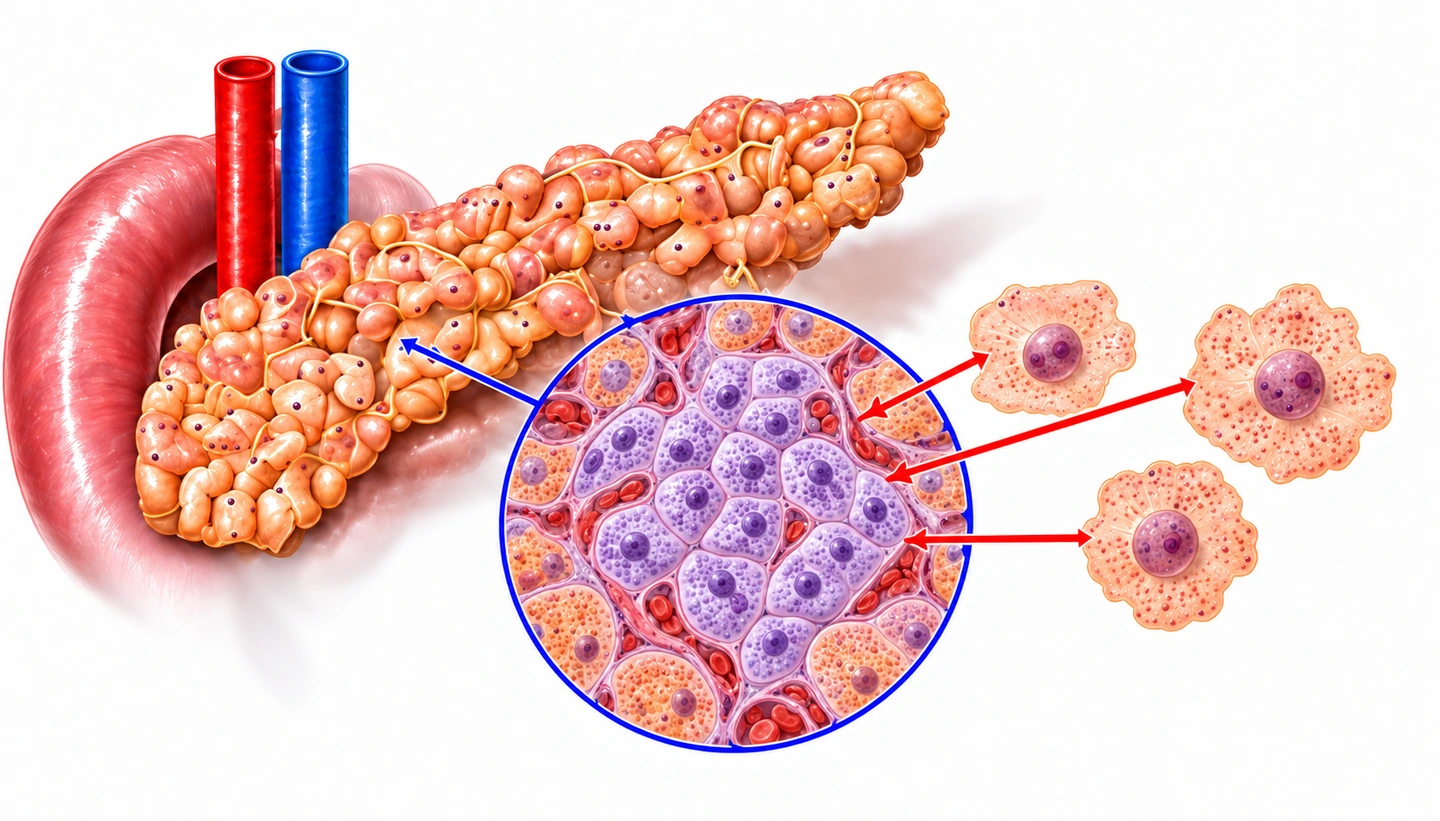
Pancreas with labelled immune cells and enlarged purple beta cells©
Pancreas and insulin-producing beta cells (purple)

The immune system mistakenly attacks the insulin-producing cells (beta cells).

Over time, insulin production continues to decline until eventually no more insulin can be produced.
This leads to an absolute insulin deficiency.

How does insulin work?

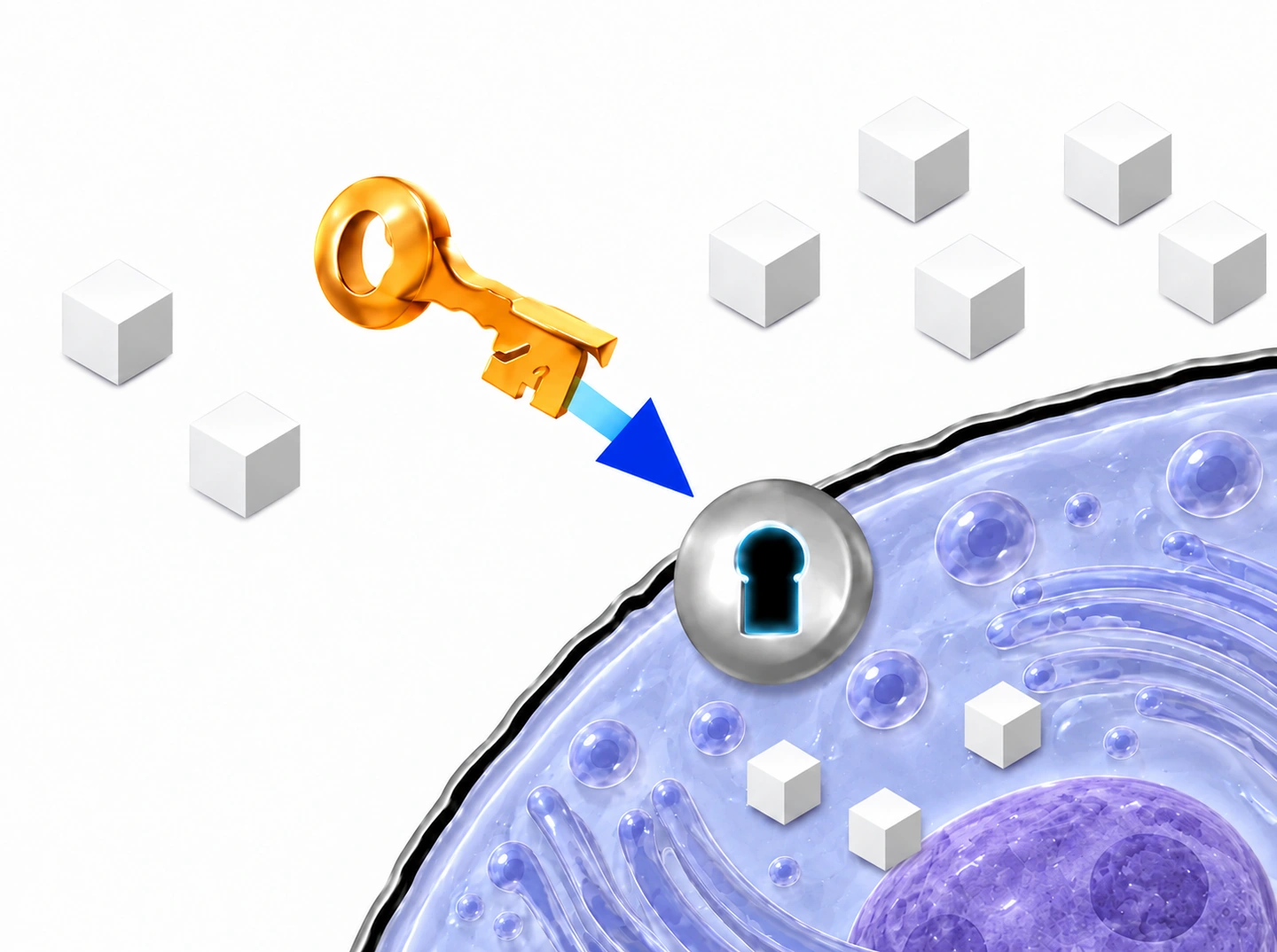
Insulin acts like a key.

Normal situation

Light purple body cell: insulin enables glucose uptake©

Insulin helps glucose move from the blood into the body's cells, where it serves as a source of energy.

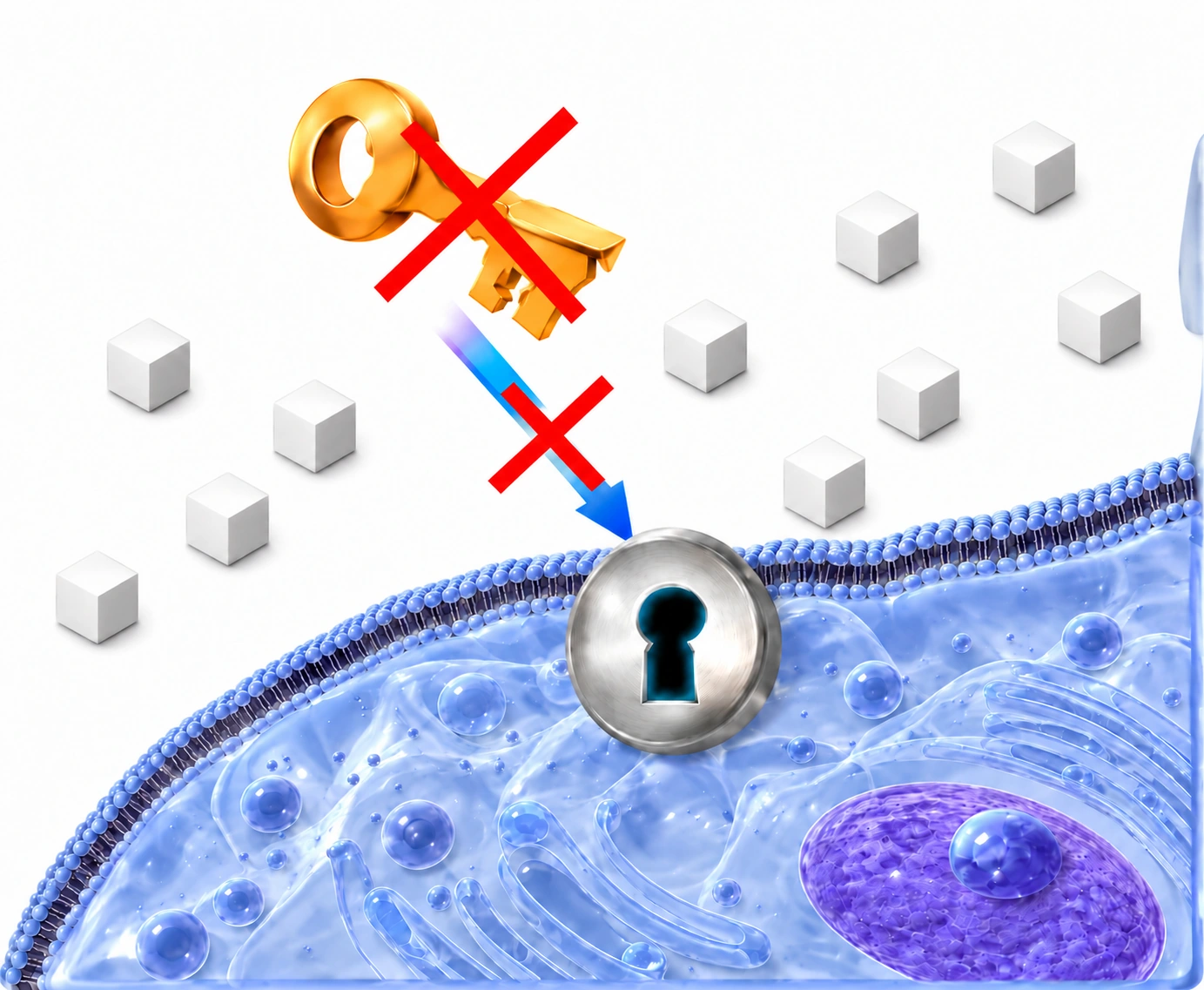
In type 1 diabetes

Light purple body cell: glucose uptake is impaired without insulin©

Without insulin, too little glucose enters the cells. Blood glucose rises.

Typical symptoms

Intense thirst

Intense thirstAI-generated©

Frequent urination

Frequent urinationAI-generated©

Tiredness and fatigue

Tiredness and fatigueAI-generated©

Unintentional weight loss

Unintentional weight lossAI-generated©

Nausea and abdominal pain

Nausea and abdominal painAI-generated©

Dizziness and difficulty concentrating

Dizziness and difficulty concentratingAI-generated©

Symptoms can develop over days to weeks. In children, they can also appear very suddenly.

Insulin treatment

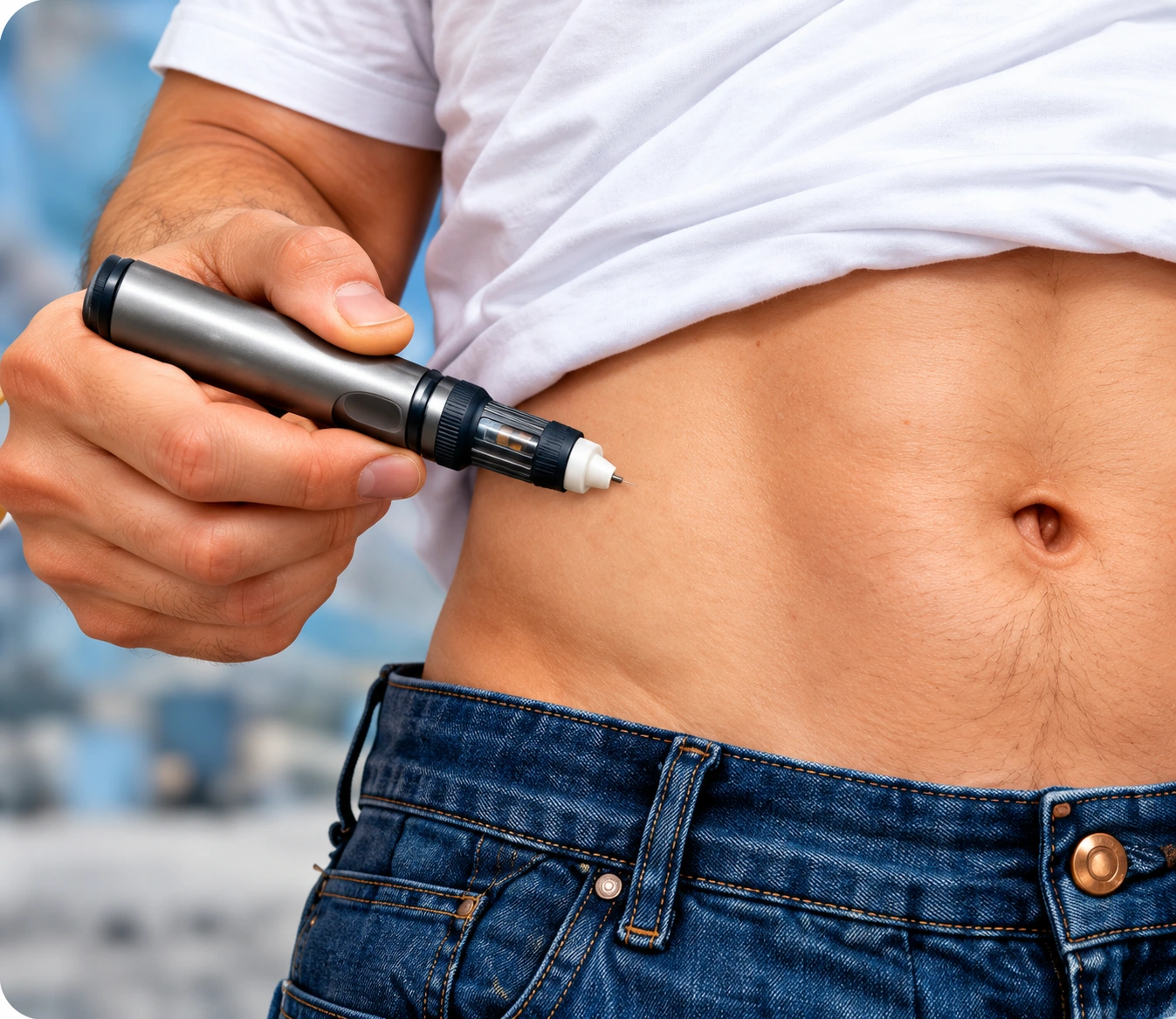
Insulin pen

Using an insulin penAI-generated©

(several times a day)

Quick and effective. The dose is adjusted individually.

Insulin pump

Insulin pump at the waistbandAI-generated©

(continuous delivery)

Delivers insulin around the clock. Delivery can be adjusted automatically (“closed loop”).

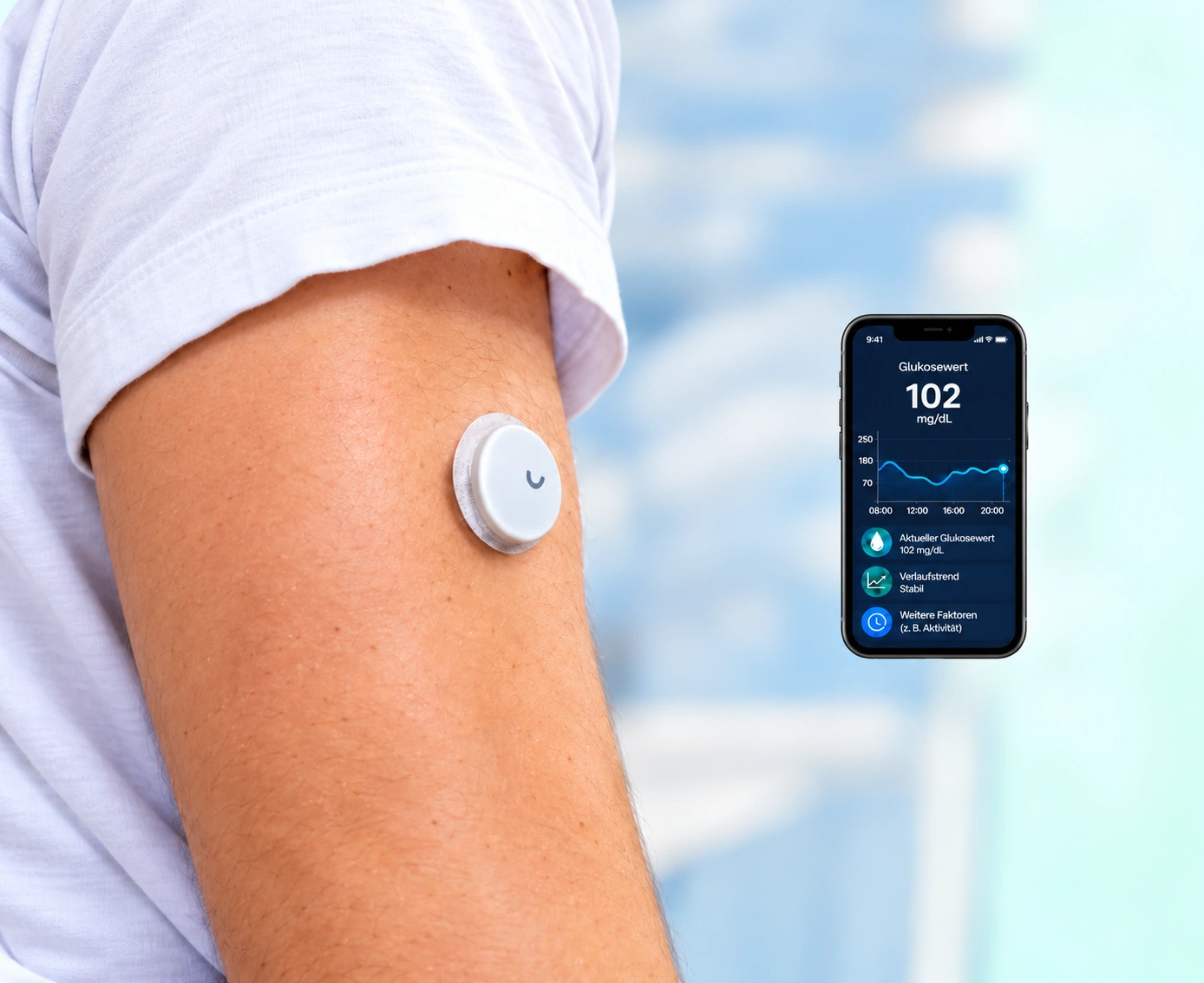
CGM sensor

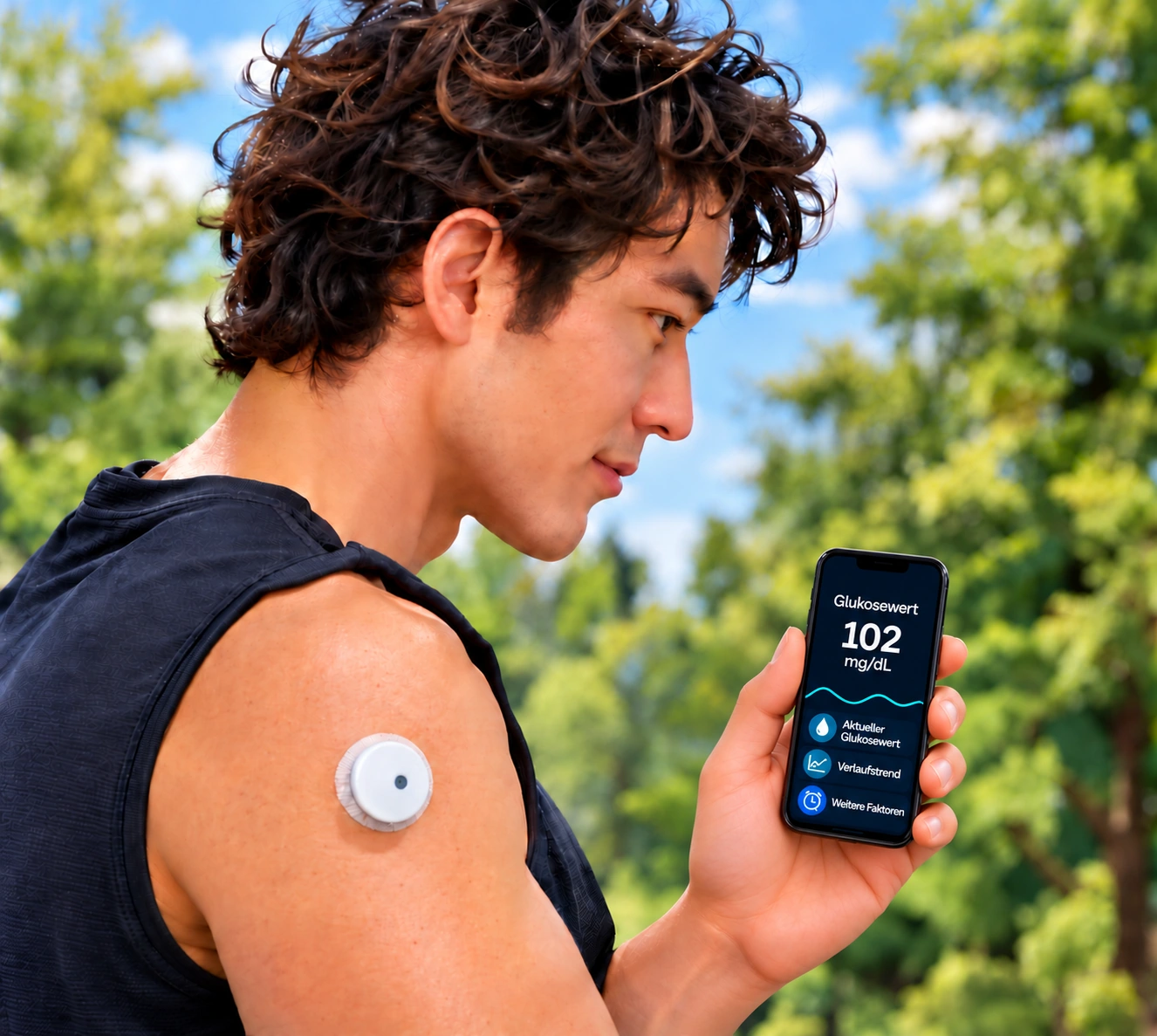
Sensor on the upper arm and smartphone displaying glucose levelsAI-generated©

(measures glucose levels continuously)

Continuously measures glucose levels and helps guide insulin treatment.

Closed-loop system

Existing illustration: man with an upper-arm sensor and a mobile phone in his handAI-generated©
Sensor and mobile phone
Existing illustration: insulin pump at the waistband with unchanged catheterAI-generated©
Insulin pump

Sensor, control software and insulin pump work together. The sensor measures glucose levels and transmits them to the system. An algorithm automatically adjusts insulin delivery, including at night. Meals still need to be entered with hybrid systems.

What should you consider in everyday life?

Diet

Man having a mealAI-generated©

Keep track of carbohydrates and adjust insulin accordingly.

Physical activity

Man joggingAI-generated©

Physical activity lowers blood glucose. Adjust insulin dose, food and activity.

Monitor glucose levels

Man checks glucose levels using a sensorAI-generated©

Measure regularly (CGM or a blood glucose meter) and watch for trends.

A good plan

Checklist for insulin, food, physical activity, measurements and emergency suppliesAI-generated©

Planning helps you manage everyday life safely, for example at school, work, during leisure activities and while sleeping.

The images are illustrations and do not show treatment outcomes in real people. This information does not replace individual medical advice; treatment is tailored to your situation.

Insulin, technology and everyday life

The illustrations explain how type 1 diabetes develops, how insulin works, typical symptoms and managing the condition in everyday life. Other topics include insulin pens, insulin pumps, continuous glucose monitoring (CGM) and closed-loop systems.

Back to overview